
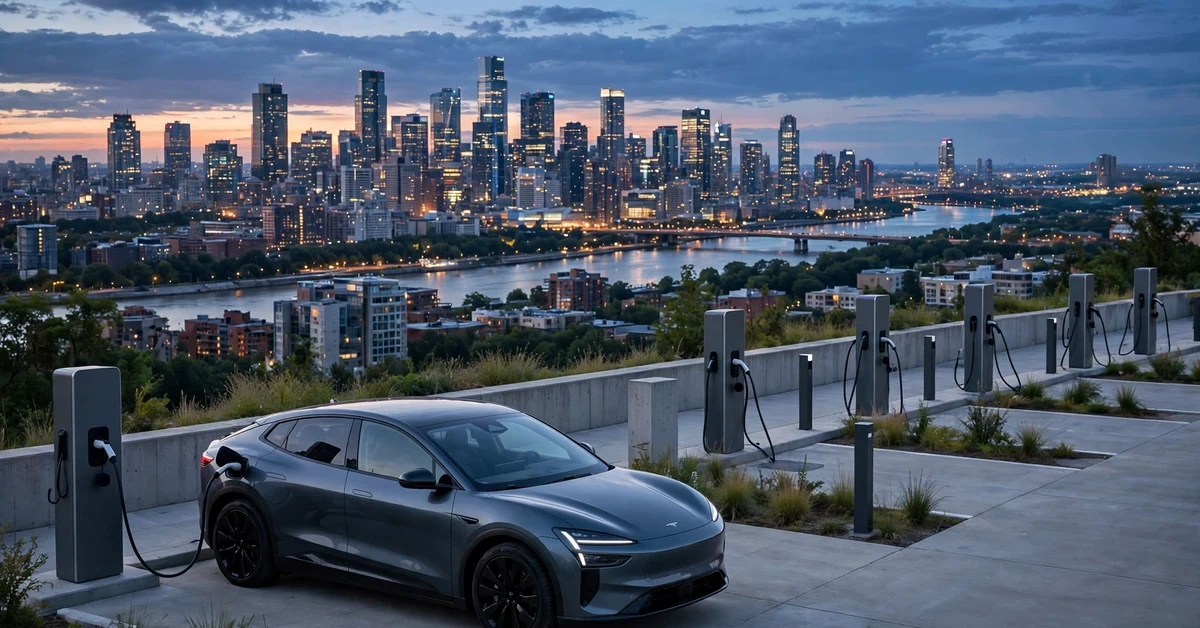
Geekzilla Autos is the car-tech section of geekzilla.us, the Geekzilla site. It covers electric cars, self-driving systems, infotainment and real-world range tests, all written from a tech-first point of view. If you want car news that reads like a tech review instead of a car advert, this guide explains what the section covers, how it tests cars, and how you can use it before your next car decision.
In this guide from DonglyTech, you will learn what Geekzilla Autos is, which topics it covers, the three rules behind its reviews, and what its real-world range tests actually show. Everything is explained in simple words, so you can use the section with confidence even if you are not a car expert.
Table of Contents
What Is Geekzilla Autos?
Geekzilla Autos is the automotive content section of the Geekzilla site. It is not a car company and it does not sell cars. It is a place where tech writers cover cars the same way they cover phones and laptops: with a focus on software, screens, sensors and real performance, not just looks and speed.
The section treats the modern car as a piece of technology. A car today has a computer, a large screen, apps and driver assist systems, and the guides review it with that idea in mind.
A geekzilla autos review looks at how the car works in daily life: does the screen respond fast, does the driver assist system work well on a real road, and does the car go as far on one charge as the maker claims?
What Does It Cover?
The section covers five main areas of car tech. Most guides touch more than one of them, because a modern car mixes them all together.
- Electric vehicles: geekzilla autos electric cars coverage includes new EVs, battery tech and charging.
- Self-driving systems and driver aids: geekzilla autos self-driving guides explain driver assist features and where they still need a human driver.
- Infotainment: geekzilla autos infotainment coverage looks at car screens, voice control, apps and phone connections.
- Connected-car security: guides explain how connected cars protect data and what over-the-air updates do.
- Real-world range testing: geekzilla autos range tests check how far an EV really goes on one charge, instead of repeating the official figure.
Together, these five areas give a full picture of the modern car.
The Three Rules Behind the Reviews
The section follows three working rules. These rules shape every review and test.
- Test the claims: the writers check maker figures against independent data, and compare each claim with test results from the real world.
- Name the tradeoffs: no car is perfect. Every guide names the weak points as well as the strong points, so the reader sees the full picture before deciding.
- Track the software: a car’s software matters as much as its hardware, and updates can change range or add features, so the guides follow software changes over time.
These rules keep the coverage honest: no guide calls a car perfect just because it is new or fast.
Geekzilla Autos EV Range: Real-World Numbers
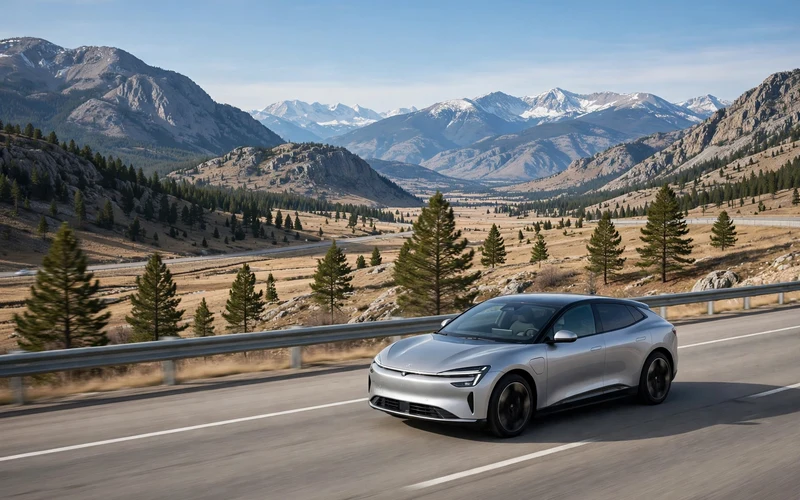
Range is the biggest question for EV buyers. The official range figure comes from a lab test, but real driving is different: speed, weather, hills and heating all cut into range, so the real number is almost always lower.
According to the guide, real-world EV range is usually 15 to 25 percent below the official EPA figure in moderate highway driving. A car rated for 300 miles may only give you around 240 miles on the highway.
The guide gives two examples. The 2025 Tesla Model Y Long Range is rated at 320 EPA miles, but gives about 240 to 265 real-world highway miles at 75 mph. The 2025 Hyundai Ioniq 6 is rated at 361 EPA miles, but gives about 290 to 310 real-world miles.
Here is how to use these numbers in real life:
- Plan with the real number: use 75 to 85 percent of the official figure for highway trips.
- Slow down a little: driving at 65 mph instead of 75 mph can add useful miles.
- Check the weather: cold weather cuts range, so plan extra charging stops in winter.
- Use the car trip planner: most EVs plan charging stops for you.
Geekzilla Autos Self-Driving: What Level 2 Really Means
Self-driving is the most misunderstood part of car tech. The key fact is simple: most systems sold today are Level 2 systems, and Level 2 is not full self-driving.
Tesla Full Self-Driving (Supervised) is a Level 2 system, so the driver must stay alert and supervise at all times. The car can steer, brake and change lanes in some cases, but the driver is still in charge. If you look away for too long, the system will warn you.
The name can mislead people. “Full Self-Driving” sounds like the car drives itself, but the word “Supervised” is the important part. A Level 2 car helps the driver; it does not replace the driver.
Systems improve over time, but software updates do not turn a Level 2 system into full self-driving overnight.
Infotainment and Connected-Car Security
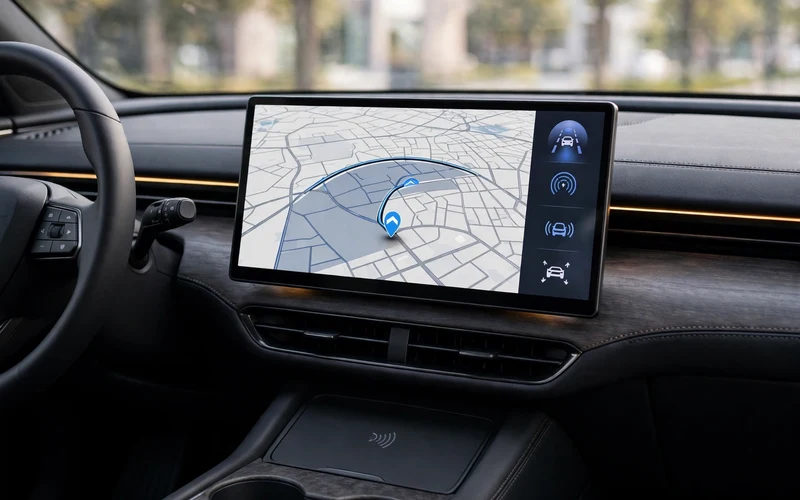
The screen is now the centre of the car. It controls maps, music, heating, calls and car settings, so a slow or confusing screen can spoil the whole drive. The guides test screens the way a tech reviewer tests a phone: how fast does it respond, and how easy is it to find things?
Voice control and phone links matter too. A good system lets you set a route, play music and send a message without touching the screen much.
Connected cars also raise security questions. A car that talks to the internet can receive updates and send data, so the guides look at what the car shares and how it stays safe.
The same tech-first thinking applies to other gadgets too. The Honor Magic 5 Pro review on this site shows how a phone is tested the same way: hardware, software and daily use, all checked together.
Future Tech the Section Is Tracking
The section also looks ahead at the tech that will shape the next cars.
- Solid-state batteries: these batteries could charge faster and hold more energy than current batteries. Toyota is targeting 2027 to 2028 for this tech.
- Vehicle-to-grid and vehicle-to-home power: a car battery can also power a home or send power back to the grid. The Ford F-150 Lightning is an example of home backup power.
These are trends to watch, not promises. Prices in the guides are base prices and vary by region and tax-credit rules, so always check the local price before you buy.
Geekzilla Autos and Geekzilla Radio: The Car-Tech Connection
The autos section is not the only Geekzilla section that talks about cars. The audio side of the brand covers car tech too.
The “Need for Speed” show connects the autos section to the radio side, and the Geekzilla.io Podcast “Retro Rewinds” show compares modern car tech with classic cars.
To explore the audio side, read the Geekzilla Radio guide on this site. It explains the shows, the platforms and how to listen for free.
A Note on Fake “Geekzilla Autos” Car Models
One warning is important. Some low-quality guides describe “Geekzilla Autos” as a car maker, with models such as EV-X, Nova GT, Urbanite and TerraX, and a platform called GeekDrive. Those are not real cars.
The real Geekzilla Autos is a content section of geekzilla.us that writes about cars. It does not build or sell cars, and it has no car models of its own. The model names in those guides are made up, and the cars do not exist.
A guide that tests real cars will always point to real models from real makers. A guide that invents cars cannot be tested, and its claims cannot be checked.
How to Use the Section
You can get the most from the section with a few simple steps:
- Start with your question: pick the topic you need, such as EV range, self-driving or infotainment, and open that guide first.
- Read the real-world numbers: look for the tested range figures, not just the official ones, before you compare cars.
- Check the tradeoffs: read the weak points in each guide, because they often decide which car fits you.
- Follow the software: check if the car gets over-the-air updates.
- Use the radio shows too: listen to the car-tech shows for a second view on the same topics.
For a deeper look, read the Geekzilla Autos guide on the official site, and compare it with another Geekzilla Autos guide.
Final Thoughts
The section is a useful stop for anyone who follows geekzilla car tech. It covers EVs, self-driving, infotainment, security and real-world range tests, with three clear rules: test the claims, name the tradeoffs, and track the software. Just remember: it is a content section that writes about cars, not a car maker.
Frequently Asked Questions
What is Geekzilla Autos?
Geekzilla Autos is the automotive content section of geekzilla.us, the Geekzilla site. It covers electric vehicles, self-driving systems and driver aids, infotainment, connected-car security, and real-world range testing, written from a tech-first point of view.
How accurate is the official EV range figure?
The official figure is higher than what most drivers get on the highway. Real-world EV range is usually 15 to 25 percent below the official EPA figure. For example, the Tesla Model Y Long Range is rated at 320 EPA miles but gives about 240 to 265 real-world highway miles at 75 mph.
Is Tesla Full Self-Driving really self-driving?
No. Tesla Full Self-Driving (Supervised) is a Level 2 system, which means the driver must stay alert and supervise at all times. Level 2 is not full self-driving, and the driver is still in charge of the car.
Is Geekzilla Autos a car company?
No, it is not. Geekzilla Autos is a content section of the Geekzilla site that writes about cars and car tech. It does not build or sell cars, and model names such as EV-X, Nova GT, Urbanite and TerraX are not real cars.
Where can I read Geekzilla Autos guides?
You can read them on the Geekzilla site at geekzilla.us, in the Autos section. The audio side of the brand covers car tech on the “Need for Speed” show and the “Retro Rewinds” podcast.
