
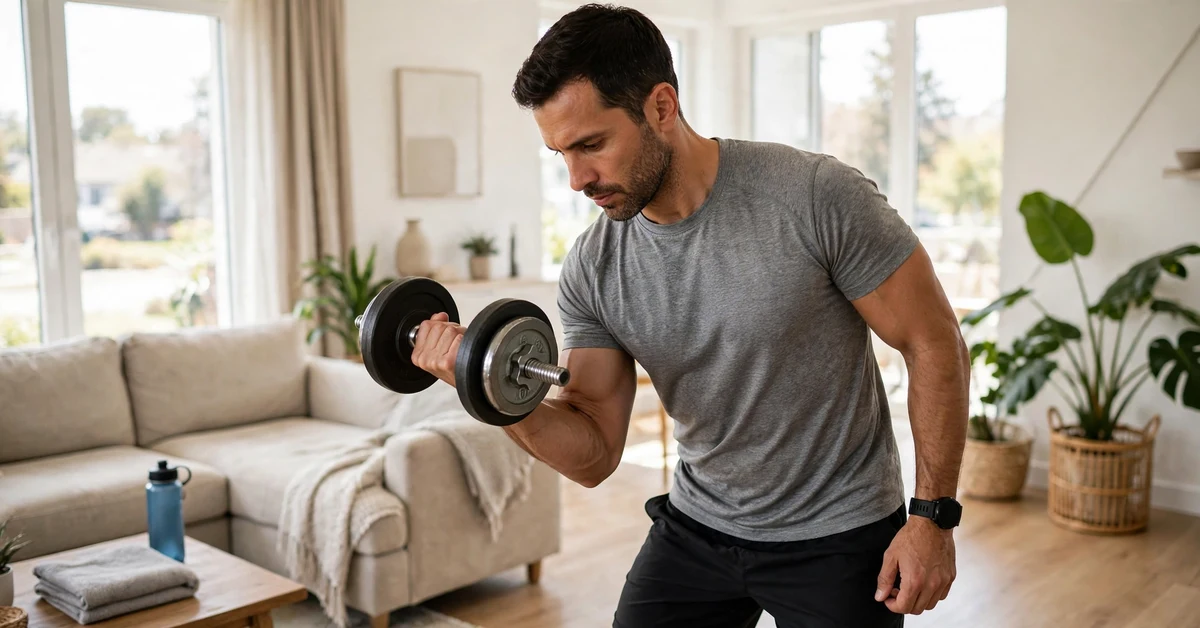
How to build muscle is a question many people ask when they want stronger muscles but do not know where to start. Should you lift heavy weights or light ones? How much protein do you need? And how long will it take to see a change? This guide explains wellhealthorganic.com/how-to-build-muscle-know-tips-to-increase-muscles in simple words. You will learn how muscles grow, which exercises help most, what to eat, and the small daily habits that make a real difference. You do not need a costly gym or special food to begin.
Building muscle takes time, but the steps are simple. Train your muscles with resistance, eat enough protein and calories, rest well, and repeat the routine week after week. In this guide from DonglyTech, we break each step into plain language so a beginner can follow it from day one.
Table of Contents
How Do Muscles Grow?
Your muscles grow when you challenge them and then let them recover. When you lift a weight, your muscle fibres work hard and get tiny amounts of damage. Your body then repairs them and makes them a little stronger than before. This repair process is called muscle growth, and it needs two things: the right training and enough food.
Protein is the main building block here. Your body is always adding and removing protein in your muscles. If it adds more than it removes, your muscles grow. If it removes more than it adds, they shrink. So training tells your body to build, and protein gives it the material to build with. Sleep matters too, because much of the repair work happens while you rest.
How to Build Muscle Step by Step
If you want to know how to build muscle, you do not need a complex plan. Follow these seven steps, and you will cover everything that matters for muscle growth.
- Train With Resistance Muscles grow when they work against resistance. That can be dumbbells, a barbell, resistance bands, a machine at the gym, or even your own body weight in push-ups and squats. The tool matters less than the effort. Pick a form of resistance you can use safely and regularly, and use it three to five days a week.
- Choose the Right Weight Choose a weight that feels hard by the last few reps. A good rule is that the weight should be heavy enough that you cannot do more than about 20 reps with it. If you plan 10 reps, the tenth rep should feel very hard, and you should barely be able to do one more. If you finish a set easily and feel fresh, the weight is too light. If your form breaks down, it is too heavy.
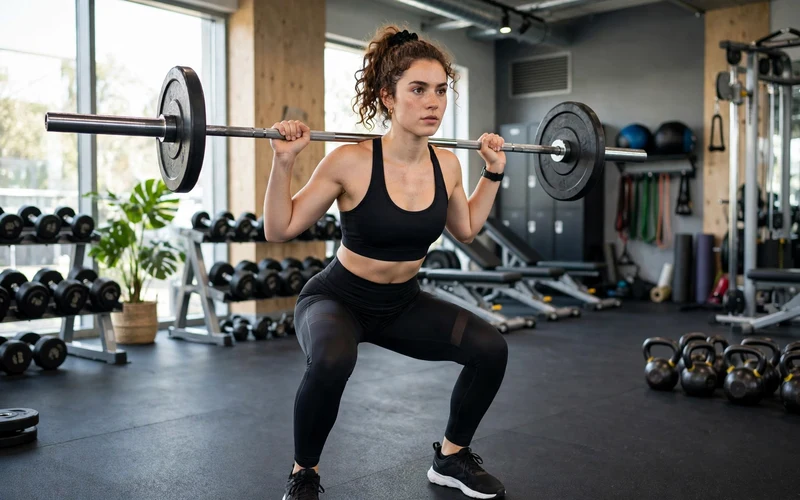
- Pick the Right Exercises Work the muscles you want to grow. To build bigger arms, do exercises that use your arms, such as curls or pull-ups. To build stronger legs, do squats or lunges. A simple workout has three to five big compound moves, such as squats, push-ups or rows, followed by one or two smaller moves that target one muscle. Keep the total to five to seven exercises per workout, and do about three sets of each.
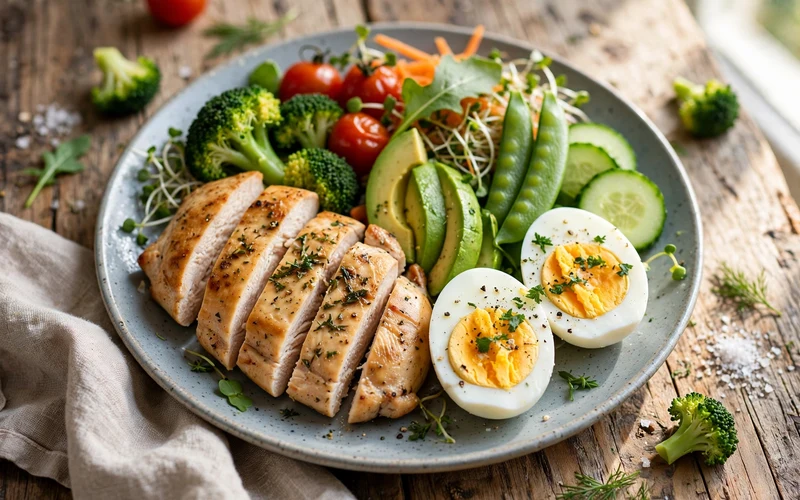
- Eat Enough Protein Protein is the top priority for muscle growth. Recent research suggests that people who train for muscle should eat about 1.6 grams of protein per kilogram of body weight each day. For a person who weighs 70 kilograms, that is about 112 grams of protein a day. Spread it across your meals — eggs or yogurt at breakfast, chicken, fish, lentils or beans at lunch and dinner, and milk or nuts as snacks.
- Eat a Little More Than Usual To build muscle, your body needs a small surplus of energy. Aim for about 300 to 500 extra calories a day above what you need to stay the same weight. That is roughly one extra meal or a large snack, not a huge feast. Eat more than this and the extra energy is more likely to turn into fat than muscle.
- Rest and Sleep Well Muscles do not grow in the gym — they grow while you recover. Give each muscle group at least a day of rest before you train it hard again. Sleep seven to eight hours a night if you can. Poor sleep slows recovery and makes it harder to train well the next day. If you feel pain, dizziness or shortness of breath during a workout, stop and get help.
- Stay Consistent Muscle growth is slow, and that is normal. Most people gain about 0.5 to 2 pounds (0.25 to 0.9 kilograms) of muscle a month. The people who succeed are not the ones with the perfect plan — they are the ones who keep showing up. Train regularly, eat well most days, and give the plan at least eight to twelve weeks before you judge it.
Best Exercises to Build Muscle
When you are learning how to build muscle, you do not need twenty exercises. A few good ones, done well and often, will build most of your muscle.
Compound Exercises
Compound moves use many muscles at once. Squats work your legs and core. Push-ups and bench presses work your chest, shoulders and arms. Rows and pull-ups work your back and arms. These moves are the base of any muscle building plan because they let you lift heavier weights and train more muscle in less time.
Isolation Exercises
Isolation moves target one muscle at a time. Bicep curls work the front of your arms. Leg extensions work the front of your thighs. These moves are useful at the end of a workout, when you are tired, because they are simple and safe. Use both types in your plan: compound moves first, when you are fresh, and isolation moves after.
Music can make training more fun and help you keep a steady pace. A good pair of wireless earbuds lets you listen to your playlist while you work out, without wires getting in the way.
What to Eat to Build Muscle
Food is half the plan when you learn how to build muscle. Training without enough food is like building a house without bricks. Your plate should have protein at every meal, plus enough carbs for energy and healthy fats for overall health.
Good protein foods include eggs, chicken, fish, milk, yogurt, cheese, lentils, chickpeas, beans, tofu and nuts. A simple day could look like this: eggs and bread at breakfast, chicken or lentils with rice at lunch, milk and nuts in the evening, and fish or beans with vegetables at dinner. Drink enough water too, because even mild dehydration can make training feel harder.
If your stomach is often upset, eating and training both suffer. Learn the key signs of gastroenteritis so you know when a stomach problem needs rest and care instead of another hard workout.
Common Mistakes That Slow Muscle Growth
Many beginners who are learning how to build muscle work hard but see slow results because of a few common mistakes. The first is lifting too light — if the last reps feel easy, your muscles have no reason to grow. The second is skipping meals or eating too little protein. The third is training the same muscles every day without rest. The fourth is changing the plan every week. Pick a simple plan, follow it for two months, and track your weights and reps in a notebook so you can see your progress.
Another mistake is comparing yourself with others. People gain muscle at different speeds because of age, body size, sleep and food. Compare yourself with your own last month, not with someone else’s photos. Small, steady gains add up to a big change over a year.
How Long Does It Take to Build Muscle?
Most beginners learning how to build muscle see strength gains in the first few weeks, because their body learns the moves. Visible muscle growth takes longer — often six to eight weeks before you notice a real change in the mirror. Remember the realistic pace: about 0.5 to 2 pounds of muscle a month. Anyone who promises ten pounds in a month is not telling the truth.
Your age and starting point matter too. A complete beginner often gains faster at first, while an experienced lifter gains more slowly. Either way, the plan stays the same: train hard, eat enough, sleep well and be patient. For a general guide to staying active and building up slowly, the MedlinePlus exercise and fitness page is a helpful place to start.
Final Thoughts
How to build muscle is simple, but it is not instant. Train with resistance three to five times a week, choose weights that challenge you, eat enough protein and a few extra calories, sleep well, and repeat the routine. The original guide on WellHealthOrganic gives the same message: the right training plus enough food, over time, is what builds muscle for most people.
Start today with a short workout and a protein-rich meal. Write down what you did, and do a little more next week. If you have a health problem or you are not sure exercise is safe for you, talk to a doctor before you start. Your muscles will thank you for the patience — and so will your energy, your sleep and your mood.
Frequently Asked Questions
How can a beginner build muscle fast?
To learn how to build muscle fast, start with resistance training three to four times a week, eat about 1.6 grams of protein per kilogram of body weight per day, and sleep seven to nine hours a night. Add weight or reps a little at a time and keep your routine steady for at least eight to twelve weeks.
Can I build muscle at home without a gym?
Yes. Push-ups, squats, lunges and pull-ups use your body weight, and dumbbells or resistance bands add more challenge. The key is to make each set hard by the last few reps.
How much protein do I need to build muscle?
About 1.6 grams per kilogram of body weight per day is a good target for people who train for muscle. For a 70-kilogram person, that is about 112 grams a day, spread across meals.
Do I need to eat more to gain muscle?
Yes, a little more. About 300 to 500 extra calories a day above your normal needs is enough. Eating far more than that mostly adds fat, not muscle.
How many days a week should I train to build muscle?
Three to five days a week works well for most people. Give each muscle group at least one rest day before training it hard again, and keep at least one full rest day each week.
