
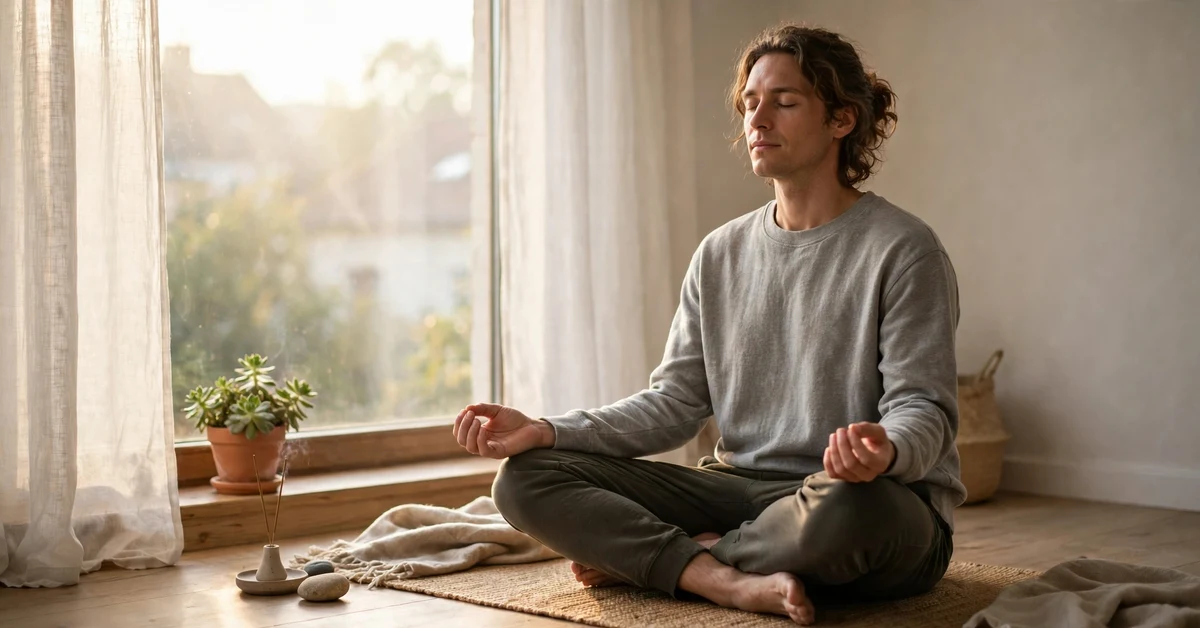
Stress is a normal part of life, but too much of it can steal your sleep, your energy, and your mood. Deadlines at work, money worries, and family duties can leave you feeling tired before the day even ends. The good news is that you do not need costly tools or a perfect routine to feel better. Small, natural habits can lower stress a lot, and most are free. In this guide from DonglyTech, we explain wellhealthorganic stress management in simple words, with practical tips you can start using today.
WellHealthOrganic takes a natural and holistic view of stress: it looks at the whole person — mind and body together — instead of treating stress as one single problem. Calm breathing, regular movement, good food, enough sleep, and a balanced routine work together to keep stress low. You do not need to do everything at once. Pick one or two tips, practise them for a week, and then add more.
Table of Contents
What Is Stress and Why Does It Matter?
Stress is your body’s answer to pressure. When you face a challenge, your body releases stress hormones that raise your heart rate and make you alert. That quick reaction can help in a short burst, such as finishing a task on time. But when stress stays high for weeks, it starts to harm you. It can cause headaches, tiredness, poor sleep, a weak appetite, and a low mood, and over time it can raise the risk of bigger health problems, so it is worth managing early.
The first step is to notice your own signs. Some people feel stress in the body, with a tight chest, sore shoulders, or a fast heartbeat. Others feel it in the mind, with worry, anger, or trouble focusing. You may also sleep badly, eat too much or too little, or lose interest in things you enjoy. Once you know your signs, you can act early. Write down what triggers your stress for a few days and you will start to see a pattern you can work on.
Breathe Slowly to Calm Down Fast
Slow breathing is the fastest way to calm your body, and you can do it anywhere. When you feel stressed, your breathing becomes fast and shallow. Slow, deep breaths do the opposite: they tell your body that it is safe, and your heart rate starts to fall. One simple method is the 4-7-8 technique:
- Breathe in through your nose for 4 seconds
- Hold your breath for 7 seconds
- Breathe out slowly through your mouth for 8 seconds
Repeat this four times and notice how your shoulders drop.
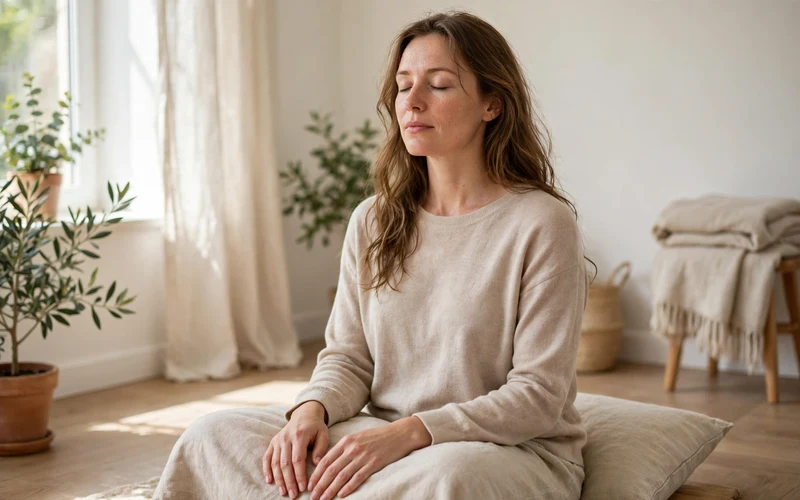
You can also try simple mindful breathing. Sit in a quiet place, close your eyes, and focus only on your breath going in and out. When a worry pops up, notice it and gently bring your mind back to your breath. Even five minutes each morning or before bed can lower stress over time. A short breathing break in a busy day can stop stress from building up hour after hour.
Move Your Body Every Day
Physical activity is one of the best natural stress relievers. When you move, your body releases endorphins, the natural chemicals that lift your mood and ease pain. You do not need a hard workout or a gym. A brisk walk of 20 to 30 minutes, a short bike ride, or a simple yoga session can all help. The key is to move most days, even briefly, rather than waiting for a perfect workout.
Yoga is a good choice because it mixes movement, breathing, and focus. Gentle stretches, slow poses, and deep breaths help tight muscles relax and calm a busy mind. If yoga is not for you, try dancing, gardening, or playing a game you enjoy. The best exercise for stress is the one you will actually do again tomorrow. Put it in your daily plan like any other appointment, and protect that time. Rest and food matter just as much as training, and the same balance applies to stress.
Sleep Well to Stress Less
Sleep and stress feed each other. When you are stressed, you sleep badly, and when you sleep badly, you feel more stressed the next day. Breaking this loop starts with a steady routine: go to bed and wake up at the same time every day, even on weekends. Most adults need seven to eight hours of sleep a night.
Make the last hour before bed calm. Put your phone away, dim the lights, and do something slow, such as reading, stretching, or drinking a warm herbal tea like chamomile. Avoid heavy meals, strong coffee, and bright screens late at night. Keep your bedroom cool, dark, and quiet. If a worry keeps you awake, write it on paper beside your bed and deal with it in the morning.

Foods That Help You Stay Calm
What you eat affects how you handle stress. A balanced diet with fruits, vegetables, whole grains, and lean protein gives your body steady energy and keeps your mood even. Foods rich in omega-3 fats, such as fatty fish, and foods rich in antioxidants, such as berries and leafy greens, support your body when stress is high. Yoghurt and other foods that support gut health can also help. Drink enough water too — aim for 2 to 3 litres a day.
Try to limit the things that make stress worse. Too much caffeine can raise your heart rate and make you feel jittery, and alcohol may seem relaxing at first but often disturbs sleep and raises stress the next day. You do not need a perfect diet. Start with one change, such as adding a fruit to breakfast or swapping one sugary drink for water. Small food habits, repeated daily, add up to a calmer body.
Manage Your Time and Set Boundaries
Much daily stress comes from trying to do too much at once. A simple daily plan can help:
- Each morning, write down the three most important tasks and do those first
- Break big tasks into small steps
- Leave small gaps between tasks so one late job does not ruin the whole day
When your list is done, stop and rest without guilt — rest is part of the plan.
Learning to say no is also part of stress management. You cannot accept every request and answer every message at once. Choose what matters most and let the rest wait. At work, tell your team what you can finish today. At home, share tasks with family instead of carrying them alone. Clear boundaries protect your energy. If your stomach often feels upset when you are stressed, learn the key signs of gastroenteritis so you know when it needs rest and care.
Relax Your Mind With Simple Daily Habits
Your mind needs rest just like your body does. A short meditation each day — even five to ten minutes of sitting quietly and focusing on your breath — can reduce stress over time. Journaling helps too: write down your thoughts and feelings for a few minutes, and the worry often feels smaller once it is on paper. Listening to relaxing music or nature sounds can calm a tense moment, and a pair of wireless earbuds makes it easy to enjoy a quiet playlist during a walk or a break.
Time in nature also works well. A walk in a park or sitting under a tree can lift your mood in a way that screens cannot. Pick the habit that feels easiest, do it at the same time each day, and let it become a small island of calm in your routine. For a fuller set of natural techniques, the guide on Wellhealthorganic stress management covers the same ideas — mindful practice, healthy routines, and balance between work and rest.
When to Ask for Help
Daily habits can handle normal stress, but they cannot replace professional help when stress becomes too much. If stress lasts for weeks, stops you from sleeping or working, or leaves you feeling hopeless most days, talk to a doctor or a mental health professional. There is no shame in asking for help — it is a smart step, just like seeing a doctor for a fever that will not go away. A professional can listen, help you find the cause, and suggest the right support for you.
Talking to someone you trust can also help right now. Tell a friend or family member how you feel, in simple words. You do not need them to fix the problem; being heard often makes the weight lighter. If a friend tells you they are stressed, listen without judging and encourage them to rest and, if needed, to seek help.
Final Thoughts
WellHealthOrganic stress management is about balance, not perfection. Slow breathing, daily movement, good sleep, simple food, clear boundaries, and a few calm habits each day work together to keep stress low. Start with one tip — perhaps the 4-7-8 breath or a 20-minute walk — and practise it for a week before you add the next one. Small steady steps beat big plans that last only a day. More practical strategies are collected in the effective strategies for Wellhealthorganic stress management guide: manage stress a little every day, and it will not manage you.
Frequently Asked Questions
What is WellHealthOrganic stress management?
It is a natural, holistic way to manage stress that focuses on mind and body together, using breathing, meditation, exercise, good food, proper sleep, and balanced daily habits instead of quick fixes.
What is the fastest way to calm stress?
Slow deep breathing is the fastest tool. Try the 4-7-8 method: breathe in for 4 seconds, hold for 7, and breathe out for 8. Repeat four times and your body should start to feel calmer.
How can I reduce stress naturally every day?
- Walk or exercise for 20 to 30 minutes
- Sleep seven to eight hours
- Eat balanced meals
- Drink enough water
- Take short breathing breaks
Doing these small things daily works better than doing them once in a while.
Does food really affect stress?
Yes. A balanced diet with fruits, vegetables, whole grains, and protein gives steady energy, while too much caffeine, alcohol, or processed food can make stress worse. Drinking enough water also helps you feel less tired.
When should I see a doctor about stress?
See a doctor or mental health professional if stress lasts for weeks, stops you from sleeping or working, or leaves you feeling hopeless. Asking for help is a smart step, not a weakness.
