
In today’s world almost everyone owns a smartphone. This device lets us talk and share with ease. It also creates problems. We get spam calls we hear unknown numbers we lose phones and we worry about the safety of family. When an unknown number rings or a phone disappears we need answers. That is when a Mobile Number Location Tracker can help.
Using a Mobile Number Location Tracker lets you find who is calling, stop scams and locate a lost or stolen phone.. There are thousands of tools, apps and sites that promise quick results. Knowing how phone tracing really works and telling tools from fake ones is essential.
This guide will show you all the facts, about tracing phone number locations. It explains how modern tracking technology works, the ways you can use it today and the laws that protect location privacy.
Table of Contents
What Is a Mobile Number Location Tracker?
A mobile number location tracker is a helper tool, an app or an online service that discovers where a phone number is. Depending on how it works a mobile number location tracker can give details, like the country, state and the telecom carrier or it can show the exact real‑time GPS coordinates.
Why People Track Phone Numbers
People use phone number tracking tools for different reasons that are useful and related to safety:
- Finding Out Who Is Calling: Discover who is, on the other end of a call or message that comes from a number they do not recognize before they answer.
- Stopping Junk and Scams: Find out about salespeople, automatic calls and trick messages before they cause money problems.
- Finding Lost or Stolen Phones: If you’ve misplaced your phone at home or left it somewhere in public or if it’s been stolen you can use tools to locate it. These tools help you find your device quickly. Maybe even recover it.
- Ensuring Family Safety: Parents and caregivers often use tracking tools that people choose to join to stay aware of where young children or older family members using Mobile Number Location Tracker. This helps when they’re out running errands or traveling.
- Business Verification: Companies check phone numbers using reverse lookup databases. This helps them confirm customer contact details and stop dishonest transactions.
How Mobile Number Location Tracking Works
To get an idea of what a phone tracker can and cannot do it’s helpful to take a closer look, at how the technology works behind the scenes. Location tracking usually comes down to two methods. The first is network-level tracing, which uses cell towers and mobile networks to estimate where a phone is. The second is device-level GPS positioning, which relies on satellite signals to pinpoint a phone’s location. Each method has its strengths and limits.
Network-Level Tracing Carrier Data and Triangulation
When a mobile phone connects to a network it constantly communicates with nearby cell towers to maintain a strong signal Network-based tracking relies on this communication:
- HLR Lookups: Every mobile network operator keeps a database named the Home Location Register. When I ask for a phone number using an HLR lookup tool the service checks the database to show the SIM card’s country of origin the telecom carrier, the current network status and the regional registration.
- Cell Tower Triangulation: By measuring signal strength and time delay between a device and at least three nearby cell towers cellular networks can estimate the phone’s approximate location. It is like listening to echoes, from three points to guess where the sound comes from.
Network-level tracing usually shows the registered region, state or city not a street address. It only reveals an area unless law enforcement accesses it with authorizatio
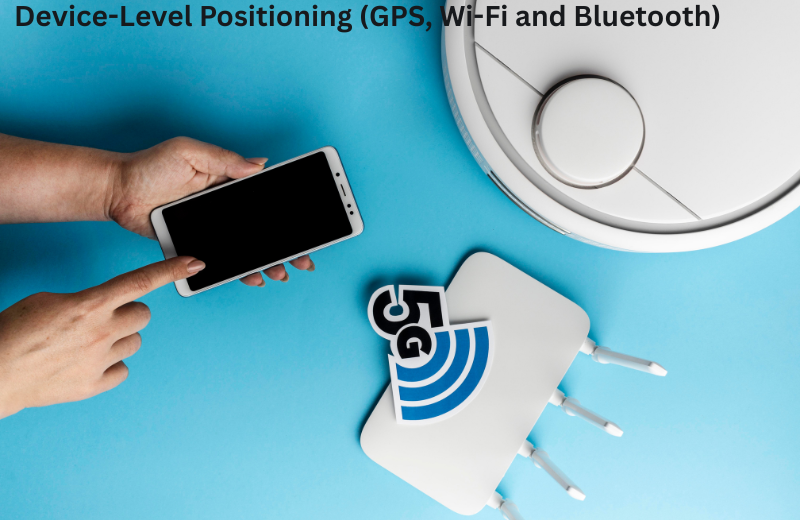
Device-Level Positioning (GPS, Wi-Fi and Bluetooth)
Modern smartphones have advanced parts that give very accurate location information within a few meters:
- Global Positioning System (GPS): Smartphones get signals, from satellites that are floating in space to figure out exact latitude and longitude.
- Wi‑Fi and Cellular Positioning is a method that devices use by scanning Wi‑Fi networks and cell towers. They use this information to find a quick location fix even when GPS signals are inside buildings. Wi‑Fi and Cellular Positioning helps you know where you are away.
- Bluetooth Beacons are another tool that indoor positioning systems in shopping malls and airports use. They emit short‑range Bluetooth signals to detect how close a device is. Bluetooth Beacons make it easier for people to find their way, around indoor spaces.
Unlike network lookups getting a phone’s GPS coordinates is a different process. The phone must have an application installed or the account owner must enable direct system‑level permission. The phone’s GPS coordinates will only be shared when these conditions are met.
- Proven Ways to Find WheMobile Caller ID Applications: Apps such as Truecaller or Hiya look at calls that come in as they happen. They show the name of the person who owns the number, where they’re likely from which phone company they use and what other people say about whether the call is spam. This happens on your phone screen before you pick up.
- Web-Based Reverse Directories: Online services let you enter a phone number with the country code. The website checks records to show where the person is from which state they are in which company they use for their phone and if the number is, for a mobile phone or a landline.re a Phone Number Is Located
It depends on what you’re trying to do. Maybe you want to find out who called you or you want to find your phone or you want to watch where your family members are. There are trusted ways to do this now.
Reverse phone lookup services and caller ID apps
If you are getting calls, from numbers you don’t recognize reverse lookup services and caller ID apps provide the way to find out who is calling. These tools use crowdsourced databases, public records and official telecom registries.
- Mobile Caller ID Applications: Apps such as Truecaller or Hiya look at calls that come in as they happen. They show the name of the person who owns the number, where they’re likely from which phone company they use and what other people say about whether the call is spam. This happens on your phone screen before you pick up.
- Web-Based Reverse Directories: Online services let you enter a phone number with the country code. The website checks records to show where the person is from which state they are in which company they use for their phone and if the number is, for a mobile phone or a landline.
Native Operating System Trackers (For Personal Devices)
I know how frustrating it is when a lost phone disappears. If you want to locate a phone both major mobile operating systems give you built-in tracking features that work right out of the box. These built-in tracking features let you find a phone quickly.
- Google Find My Device (Android) can be used from any web browser or from another Android device that is signed into your Google Account. Google Find My Device shows your phone’s GPS location on a map. Google Find My Device also lets you play a ring even if your phone is, on silent. Google Find My Device can lock the screen with a custom recovery message. Google Find My Device can even wipe all data remotely if your phone cannot be recovered.
- Apple Find My (iOS) is a tracking utility that works across the entire Apple ecosystem. Apple Find My allows iPhone users to see real‑time location coordinates. Apple Find My also allows users to mark devices as lost or to trigger a sound. Apple Find My uses an encrypted network. Can even use nearby Apple devices to relay offline location updates via Bluetooth.
GPS Location Sharing Applications
For safety and communication, among family members I find these permission‑based GPS location sharing apps give real‑time updates directly between devices.
- Messaging Platforms: Apps such as WhatsApp Google Maps and Apple Messages let users share their location directly. People can pick contacts and decide how long to share their location—anywhere from 15 minutes to full-time tracking.
- Dedicated Family Safety Apps: Apps like Life360 are made specifically for families. They let users form groups. These apps show everyone’s location on a shared map. They also send alerts when someone gets to school or home and include an emergency SOS button, for quick help.
Comparing Paid Tracking Tools
When looking for a mobile number location tracker online you will come across both free and paid services. Understanding what each one can do and what it cannot helps you pick the choice.
Free Location Trackers
Free services are good for getting information and finding out who is calling from an unknown number. A typical free tracker usually offers:
- Country and state where the number is registered
- Original phone company that issued the number
- Name of the caller if it is in shared online lists
- Score for spam and comments from users
- Free tools cannot offer real-time GPS tracking for any random number, without the person installing an app and giving permission.
Paid Lookup Services
Premium services are, for people who want background details or advanced verification. Paid reverse lookups normally give you:
- Name and any known aliases of the account holder
- Past address histories and the current primary residence
- Family members or business associates linked to the account
- Social media profiles that are connected and other public background records
How to Protect Your Phone Location and Privacy
When I learn how location tracking works I feel more confident, about protecting my personal privacy. Here are simple steps I can take to prevent location tracking of my own device:
- Review App Location Permissions: Go to your smartphone settings from time to time. Check which apps can access your location. Take a moment to remove location access for apps that don’t really need it to work properly.
- Disable Wireless Signals When Not in Use: If you are, in a public area and not using Wi-Fi or Bluetooth turn them off. This stops wireless beacons from tracking where your device has been.
- Use Virtual Private Networks: Use a Virtual Private Network when you are connected to Wi-Fi networks. A Virtual Private Network will help to encrypt your internet traffic. This makes it harder for others to see what you are doing online. It also helps to hide your footprint. It also helps to hide your IP-based location.
- Remove Details from Public Directories: There are online reverse lookup directories. These directories let people find information about you. You can submit an opt-out request to these directories. This request will help to remove your phone number. This request will help to remove your details from their public search databases.
- Enable Two-Factor Authentication: You should secure your mobile carrier account. You should also secure your cloud accounts. These include Google and Apple accounts. Use passwords, for these accounts. Also use Two-Factor Authentication. This helps to prevent account access. This helps to prevent SIM swapping attacks.
Conclusion
A reliable mobile number location tracker is an useful device for safely navigating today’s communications. Whether you want to find out who is calling you from a number protect your loved ones or locate a lost phone knowing how the mobile number location tracker works helps you pick the best mobile number location tracker for the task.
By using trusted reverse lookup utilities the built‑in tools, on your phone’s operating system and family‑sharing apps that need your permission you can track phone number locations well. This approach keeps your security strong the data accurate and everything legal.
