
- Have you ever received a call, from a number late at night and wondered where that call was coming from?. Maybe you lost your smartphone in a local market or restaurant and needed to find its location right away? In our -connected digital world asking for a mobile number location is now a very common search online.
- If you want to spot spam callers protect your family. Get your lost phone back knowing how mobile location technology works is essential. In this guide I will explain the basics of phone tracking compare tools with online scams talk about the limits of privacy laws and give you simple ways to keep your personal information safe.
- Mobile location technology helps you see where a phone is. Phone tracking can reveal the spot of a lost device. Mobile location technology also lets you warn family members, about areas. Phone tracking tools must follow the rules of privacy law. Mobile location technology is powerful. It must be used responsibly.
Table of Contents
1. Static Location, vs. Live GPS Location: What’s the Difference?
People who look for a mobile number location often confuse two different ideas. Understanding this difference can save time. Help avoid online scams.
A. Static Location (Network & Region Data)
This means the fixed area where the phone number was first registered. It also includes the mobile carrier provider, such, as AT&T, Vodafone, Jio or Jazz. This information stays the same even if the phone moves to a place.
- How it works: Telecom regulators assign number series or prefix codes to specific cities or network operators.
- Accessibility: These number series or prefix codes are publicly accessible, through reverse lookup tools.
B. Live Location (Real-Time Coordinates)
Live Location shows the physical position of the device right now. This is shown on a map using satellite or network data.
- How it works: It uses hardware sensors such, as GPS chips, nearby Wi-Fi network signals and cellular signals.
- Accessibility: Limited. It requires user permission, installed software or authorized law enforcement requests.
2. The Core Technologies Behind Location Tracking
How exactly does technology find a device? Modern location services depend on three network infrastructure pillars:
1. Cell Tower Triangulation
- Each mobile phone constantly sends signals to cellular towers to keep the network connection working mobile number location for phone calls and text messages.
- By measuring the strength and the time delay. Known as Time Difference of Arrival or TDOA. From at least three cell towers around the device network providers can figure out where the phone is located within a certain area.
- Accuracy: This method works with all types of phones including non-smartphones.. The accuracy depends on where you are. In city areas the location can be accurate within about 50 meters. In areas the estimate can be off, by several kilometers.
2. GPS (Global Positioning System)
Modern smartphones have chips that read signals, from many satellites in orbit. GPS uses those chips to track position.
- Accuracy: Accuracy is extremely high within three to ten meters.
- Limitation: Limitation requires a line of sight, to the sky. The signal quality drops significantly inside basements or concrete buildings.
3. Wi‑Fi Positioning System (WPS) & IP Triangulation
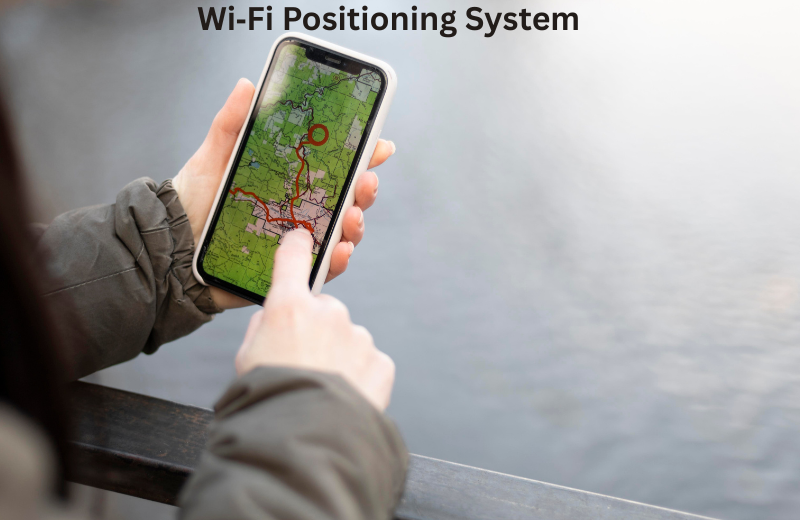
I have noticed that when GPS signals are not available, inside buildings devices rely on public Wi‑Fi access point identifiers, called BSSIDs and local IP addresses to guess where you are. With Wi‑Fi Positioning System (WPS) & IP Triangulation, Google and Apple keep large lists of Wi‑Fi routers that help people navigate inside mobile number location places without any trouble.
3. Best Safe & Legitimate Methods to Find Mobile Location
Based on your circumstances these are the safest and most effective ways to track a phone number or locate a device:
Method 1: Reverse Caller ID Services
- If you want to find out who is calling you and where they are from
- Truecaller: Truecaller is the crowdsourced caller ID app, in the world. mobile number location Truecaller shows the name of the caller, the area where the network is located and a spam likelihood score away when the call rings.
- White pages and Any Who are tools for looking up landline numbers and registered mobile numbers in North America and Europe to find out who owns the mobile number location and where they live.
- Whocall / Hiya are really options, for caller ID information that people use a lot in Asia and South America to stop unwanted telemarketing calls.
Method 2: Phone Locator Tools (For Lost Devices)
If you are trying to find your own lost or stolen device the built-in tools that come with the operating system provide the real-time accuracy and they are completely free.
Method 3: Family Safety and Location Sharing Applications
- For parents who want to keep track of their children or for families who are taking care of members authorized continuous tracking apps are recommended:
- Life360: Provides place alerts and driving safety reports mobile number location. It also gives location updates for family circles that are joined together.
- Google Family Link: Lets parents control device permissions and set screen time limits. It also shows location maps for kids.
- Glympse: Great, for sharing location during travels or road trips. It does not require creating accounts.
4. Comparing Free Online Tools, versus Professional Tracking
Before using tools compare what Free Online Tools offer versus what Professional Tracking applications offer:
| Feature | Free Online Lookup Sites | Official Tracking Apps (Find My / Life360) |
| Primary Output | City name, country, operator | Exact physical street address & live movement |
| Target Setup | None (enter 10-digit number) | Needs app installation & permission |
| Hardware Required | Works for any mobile number | Requires an active smartphone with internet |
| Privacy & Security | High risk of ads/phishing | Highly secure and encrypted |
| Cost | Free (with heavy ads) | Free native tools / Optional paid features |
5. Be careful of Online Tracking Scams
The huge number of people searching for ways to find a Mobile number location has caused many harmful websites to take advantage of people who don’t know better.
Common Scam Traps to Avoid:
- Human Verification / Survey Traps: Sites that show a progress bar and require you to finish paid surveys before you can see “results.”
- Malware Downloads: Sites that ask you to install APKs or executable files that look like “tracking utilities.”
- SMS Subscription Scams: Pages that request your phone number for a “confirmation code ” but actually add your phone bill to premium recurring charges.
6. Legal Boundaries and Privacy Rules
Is it possible to track a phone without the adult person knowing?
- Consent is Mandatory: I believe that in all international legal jurisdictions (including GDPR, in Europe and consumer privacy acts in the US and Asia) tracking an adult persons real-time position without adult persons explicit consent is illegal.
- Law Enforcement Privilege: Only police departments and intelligence agencies can issue emergency requests or court orders to providers to access live cell tower triangulation data during criminal investigations or missing person cases.
- Parental Rights: Parents generally retain rights to monitor the mobile number location of minor children using family safety software on family-owned devices.
Final Thoughts
- The ability to find the location of a number is a very helpful thing for stopping unwanted phone calls stopping scams and keeping family members safe.. It is important to have realistic expectations: use caller ID services like Truecaller to check who is calling use official tools like Google Find My Device or Apple Find My to find lost phones and never use fake “quick tracker” websites.
- By using tools and being careful, with privacy you can stay safe online without putting your personal information in danger.
